
Fashion is a universal language that transcends borders, cultures, and generations. It is more than just clothing; it is an ever-evolving expression of identity, creativity, and emotion. Every era in history has its own style narrative, shaped by the social, political, and artistic influences of its time. Today, fashion remains one of the most dynamic and influential industries, constantly reinventing itself while reflecting the world we live in.
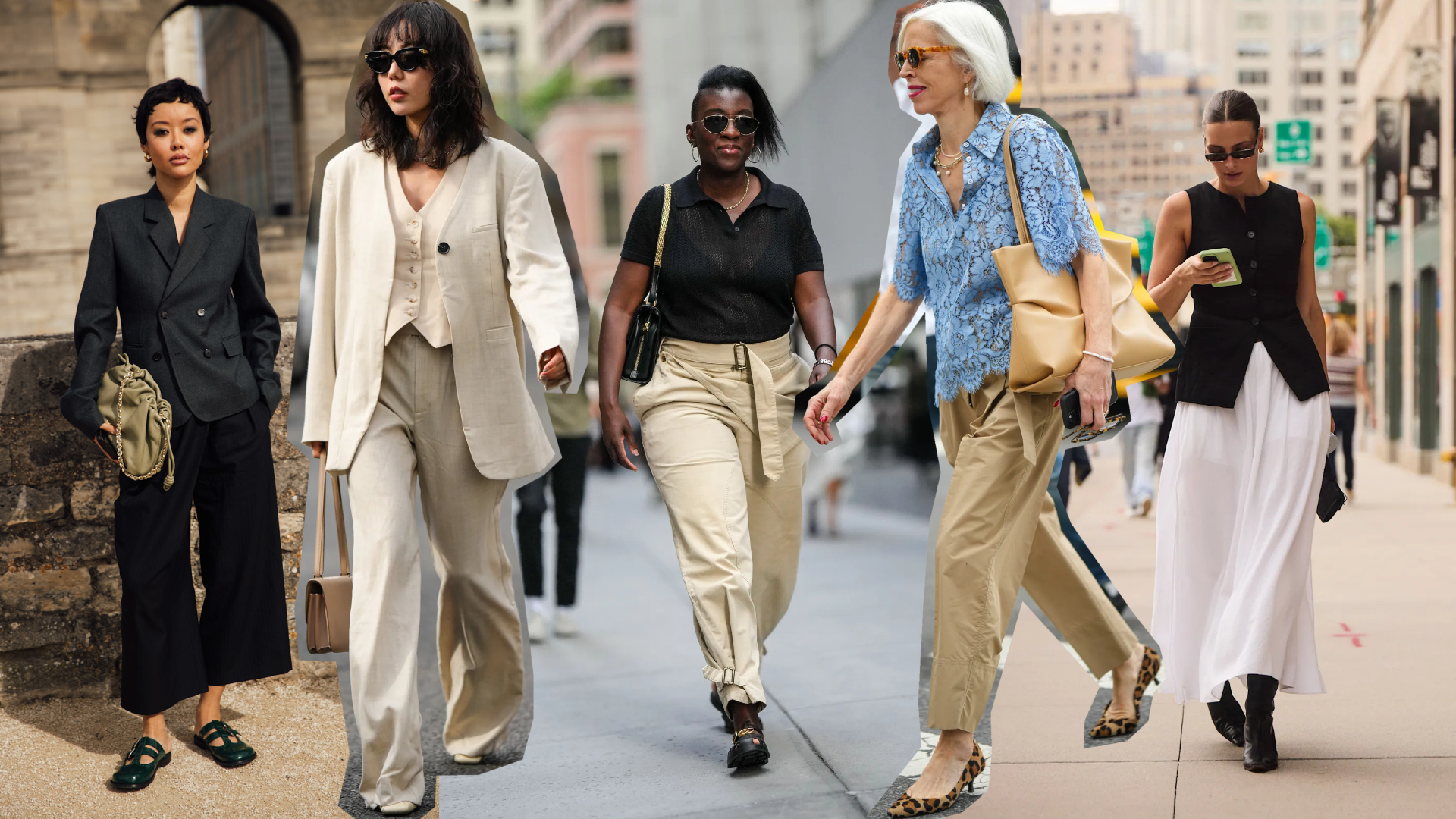
In modern society,Fashion has become a personal statement that allows individuals to communicate who they are without saying a word. From bold streetwear to minimalistic elegance, every choice reflects a piece of one’s personality. This freedom has nurtured a culture of individuality, where trends are no longer rules but inspiration. People blend styles, experiment with colors, and redefine traditional silhouettes to create looks that speak uniquely to them. The shift from conformity to self-expression is one of the most defining transformations in contemporary fashion.
A significant movement within the industry today is the rise of inclusivity. For decades, fashion portrayed a narrow definition of beauty, limiting representation and diversity. But the modern landscape is changing rapidly. Designers and brands are embracing a wider range of body types, skin tones, and identities, making fashion more relatable and empowering. Runways and campaigns now highlight real individuals instead of idealized perfection, celebrating imperfections and authenticity. This shift not only transforms how fashion is created but also how it is experienced by audiences worldwide.
Sustainability has also become a powerful force shaping today’s fashion choices. As awareness grows about the environmental impact of fast fashion, consumers and designers alike are moving toward more responsible practices. Sustainable materials, ethical production, and slow fashion concepts are redefining what it means to be stylish. Vintage and second-hand clothing have made a strong comeback, allowing people to embrace unique pieces while reducing waste. This movement not only promotes environmental responsibility but also encourages creativity, as individuals reimagine old garments into new fashion statements.
Technology has pushed the boundaries of the industry even further. Digital fashion shows, virtual fitting rooms, and AI-generated designs are transforming how fashion is created and consumed. Social media platforms play a significant role in shaping trends, giving rise to influencers whose styles can reach millions within seconds. Fashion is no longer confined to physical stores or runways; it lives in digital spaces where ideas spread rapidly and innovation thrives. This blend of technology and style has created an environment where inspiration is endless and accessible to all.
Despite these modern developments, fashion remains rooted in history and tradition. Trends often resurface, blending nostalgia with contemporary flair. This cyclical nature keeps the industry vibrant, reminding us that fashion is both timeless and ever-changing. Ultimately, fashion is a celebration of creativity and identity, a reflection of human expression that continues to evolve with every generation.